
CCC treatment to replace Covid home isolation in Karnataka’s rural areas and urban slums
2nd Covishield jab will be given only after 12 weeks; only 2nd Covaxin jab for now
BENGALURU:
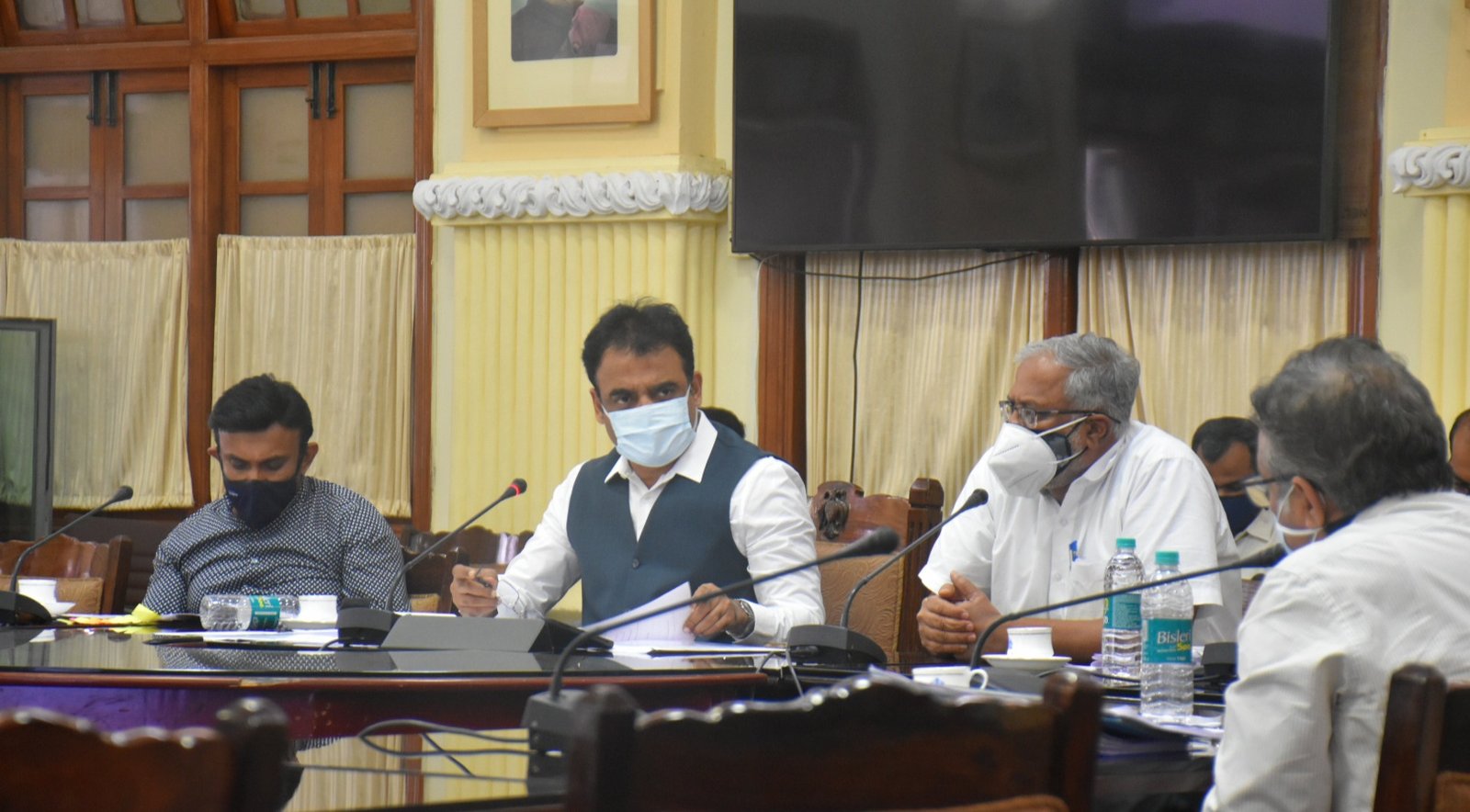
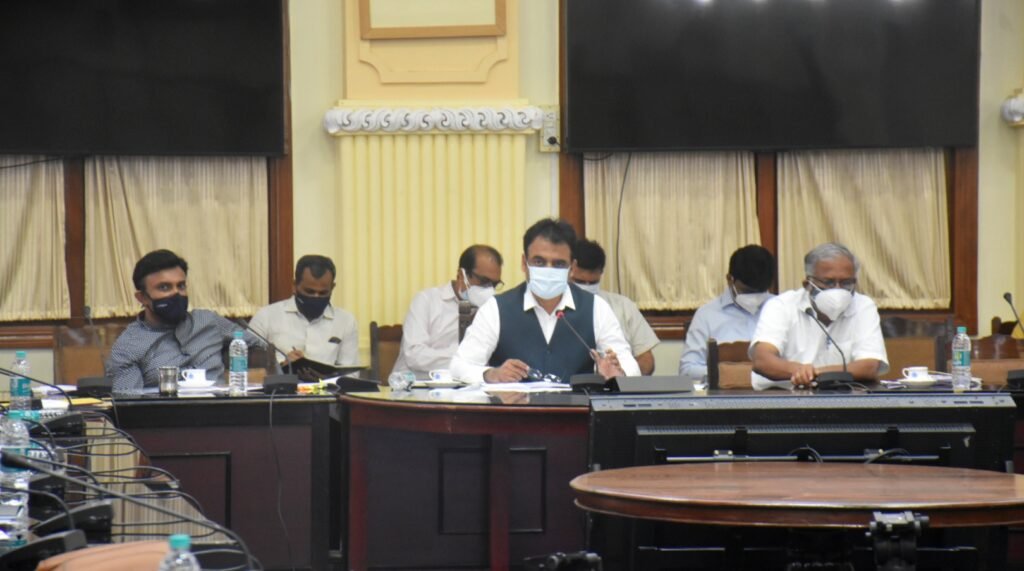
In a step that perhaps indicates the state government’s dissatisfaction with BBMP’s handling of the Covid crisis so far, the state Covid task force has proposed to relieve the Bengaluru’s civic agency of its health management responsibility and move it to the state Health and Family Welfare Department. Making this significant announcement on Saturday, Deputy Chief Minister and Covid task force head Dr CN Ashwath Narayan said a committee will look into the technical issues involved and will submit a report at the next meeting of the task force.
Furthermore, a 100-bedded secondary hospital will be set up in each assembly constituency of Bengaluru and one tertiary care hospital will be set up for every 4 assembly constituencies.
In another important decision indicating a shift in the government’s treatment strategy, home isolation for Covid-positive cases will not be allowed in rural areas and urban slum areas, and such persons will be compulsorily admitted in Covid Care Centres (CCCs), Dr Narayan said.
DCs tasked with treatment
Addressing a presser after the task force meeting, Dr Narayan said, “In rural areas, Covid Care Centres will be established at the PHC level. A Rapid Antigen Test needs to be done at the doorstep in viral hotspots . In rural areas, arrangements for isolation and treatment will be made in places such as hostels. District Commissioners will be entrusted with this responsibility.”
The task force took various other decisions with regard to ICU beds, oxygenated beds, vaccination, drugs & consumables procurement, the Black Fungus, and strengthening of the health infrastructure in rural and urban areas.
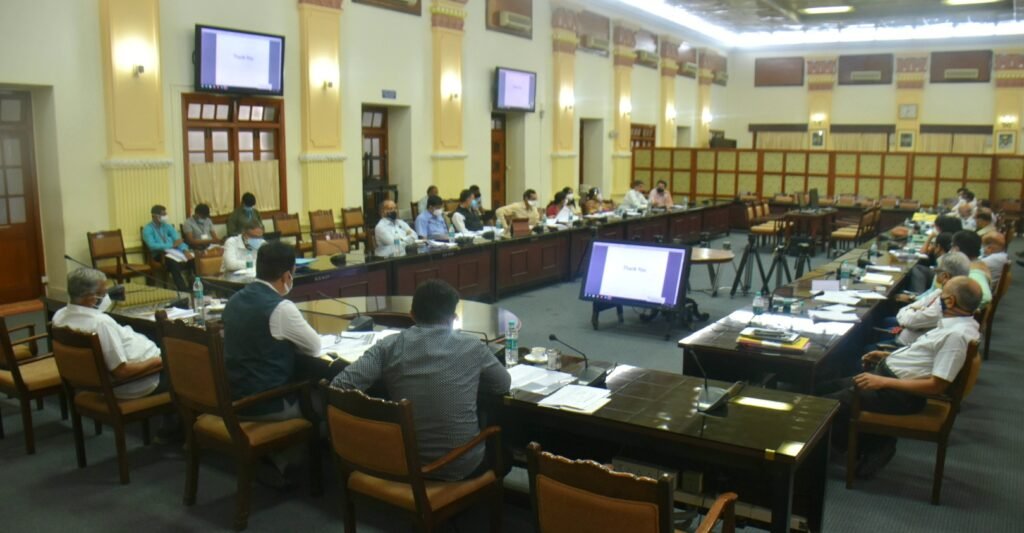
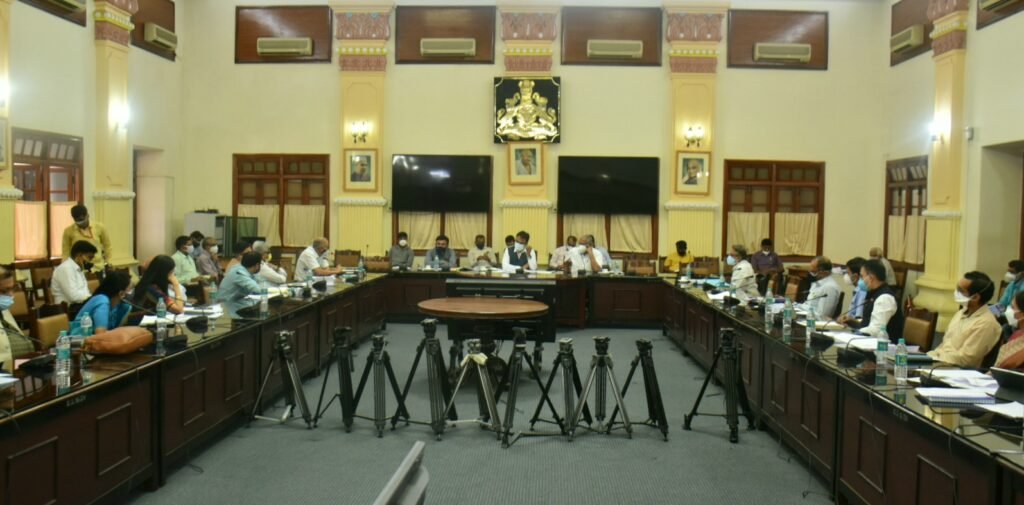
The following decisions were taken:
District hospitals: In every district hospital, 100 ICU beds will be made available on a permanent basis. For this, the required infrastructure and manpower needs to be provided, and all these hospitals should have oxygen generating units.
Covaxin: For the present, only the 2nd dose will be administered. Those who have taken the 1st dose 6 weeks earlier will be jabbed on priority.
Covishield: The 2nd dose will be administered for those who have completed 12 weeks after taking the 1st dose. Before this time gap, no one will be given the 2nd dose. The 1st dose of this vaccine will be administered for the age group above 45 years.
18-44 yrs age group: With regard to administering vaccines to the 18-44 years age group, a new app needs to be developed. This will be interfaced with the CoWin app and later the vaccination schedule will be prepared taking into account the availability of vaccines.
Priority groups: For administering the vaccine, a priority list will be prepared. This may include those who are working in the postal department, agricultural department, bank employees, internet service providers, etc.
Vaccination sites: Administering vaccines will be carried out in places away from hospitals like school grounds, etc.
Covid waste disposal: For each bed, Rs 10 will be allocated to facilitate timely disposal of waste in government hospitals.
Medical kits: These should be given also to infected persons referred by private doctors.
Genome labs: To study the changes in the genetics of viruses, genome labs will be set up in 6 places in the state. Out of these, 4 will be with medical colleges and two with the Health Department.
Drugs for 90 days: Medicines and other consumables required for the next 90 days will be procured in a phased manner at a cost of Rs 260 crore. Procurement will be done through the State Medical Supply Corporation by floating tenders.
Black Fungus: At present, about 400 such cases are estimated per week, and there is a shortage of the required drugs. The Central government will be asked to provide 20,000 vials of the needed drug.
Oxygen regulators: 1,000 oxygen utility regulatory devices developed by DRDO will be purchased. Out of this, 900 will be an automatic model which costs Rs 10,000 each and 100 will be of a manual mode which costs Rs 6,000 each.
Oxygen bottling plants: These will be set up in 9 districts that do not have this facility. Oxygen generators of 200-300 litres/minute will be set up in community health centers. All the beds will be oxygenated in all taluk hospitals. To facilitate this, oxygen generators of 500-600 litres/minute will be set up.
Global tender for vaccines: This needs funding of Rs 843 crore and the task force has given its approval.
Remdesivir: A global tender to procure 5 lakh injections will be floated and Rs 75 crore is reserved for this purpose.
Community health centres: There are 207 community health centers of 30 beds each in the state. All these beds will be converted into oxygenated beds. Out of these, 5 ICU beds and 5 HDU beds will be made available. In taluk hospitals, 50 ICU beds will be made available (15 ventilator, of which 6 will be paediatric). 100 ICU beds will be set up in district centres where medical colleges do not exist.
Triaging: Physical triaging will be made compulsory for hospitalisation.
Oximeters: 1 lakh pulse oximeters will be procured.
About the Author