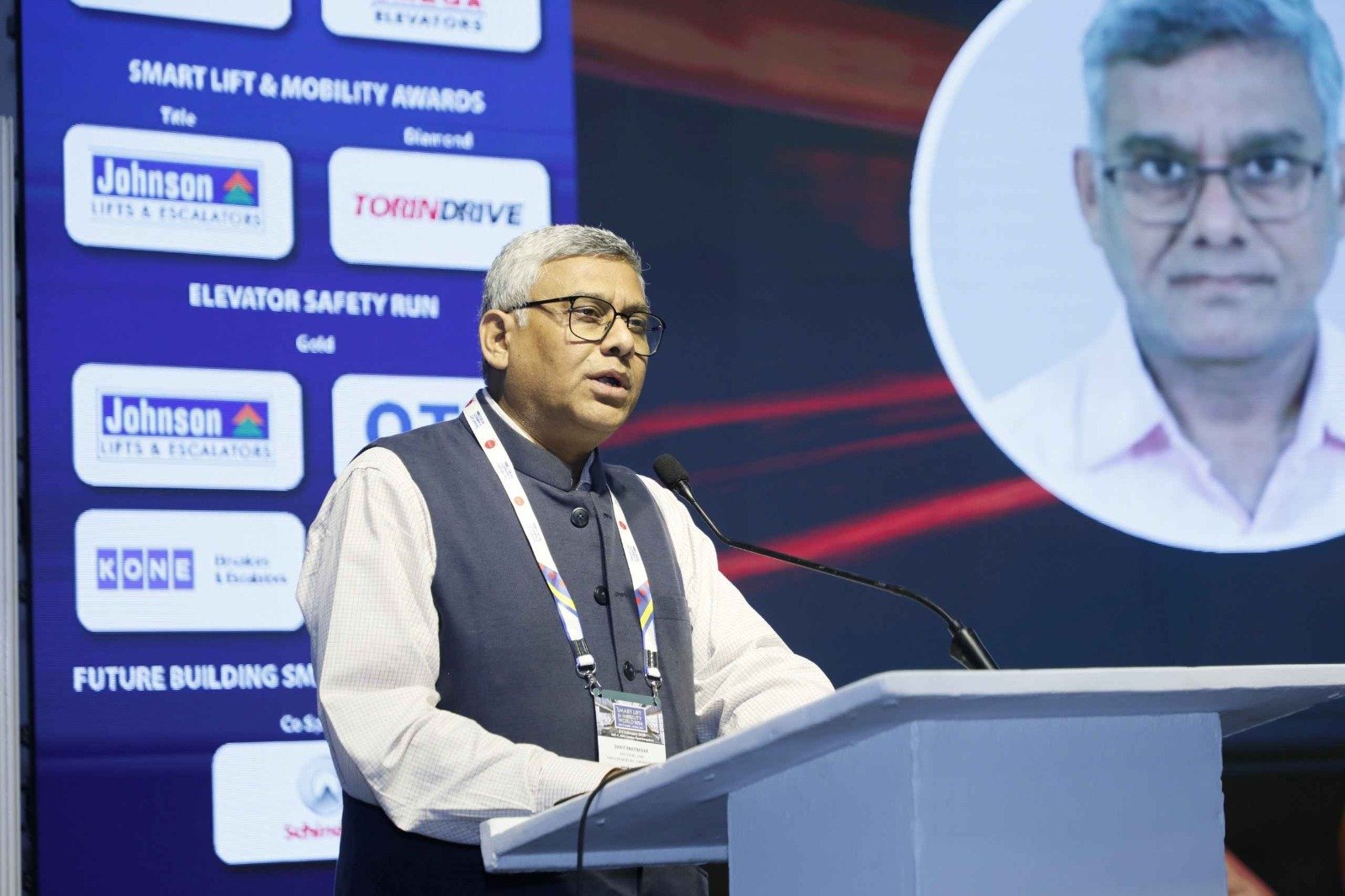
Sumit Bhatnagar, Director (RSE, O&M), Bangalore Metro Rail Corporation Ltd
Bengaluru, Feb 6: What appears to commuters as a promise of faster and more comfortable travel is quietly emerging as a major industrial opportunity. The ambitious expansion of the Bengaluru Metro network is set to generate an estimated ₹500-crore business opportunity for India’s elevator and escalator manufacturing sector.
The Bangalore Metro Rail Corporation Limited (BMRCL) is expanding its network by 78 km, nearly doubling the existing 96-km metro system to 175 km over the next two years. The number of stations will increase from 83 to 127, creating large interchange hubs and modernised transit centres across the city.
With this scale of expansion, vertical mobility infrastructure has moved from being supplementary to absolutely essential. According to BMRCL officials, the new network will require around 500 elevators and nearly 1,000 escalators, along with travelators at high-footfall stations to manage passenger flow efficiently.
Industry estimates indicate that capital investment in vertical mobility systems alone will exceed ₹500 crore, with escalators accounting for more than ₹400 crore and elevators contributing over ₹100 crore.
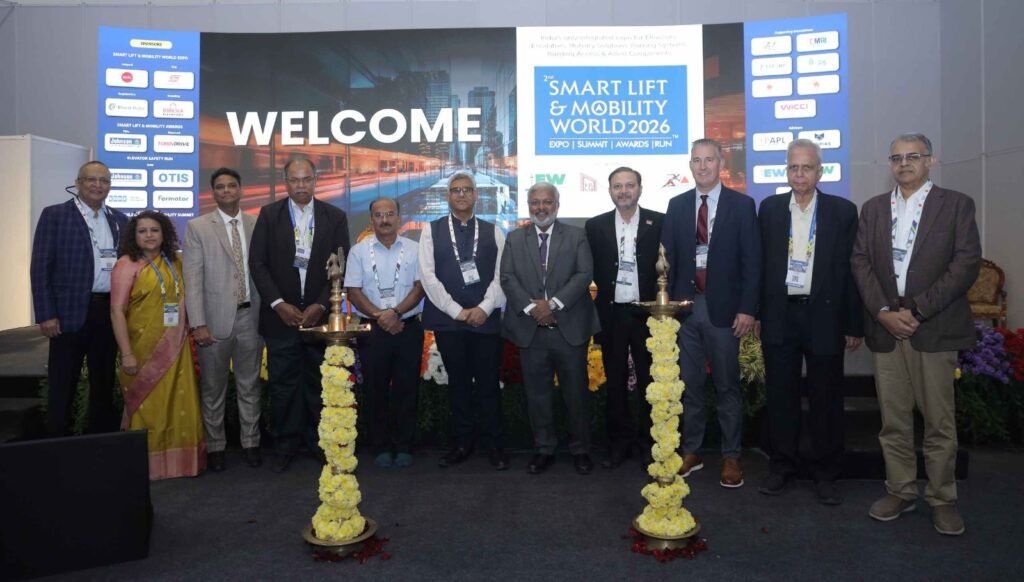
Speaking at the Smart Lift & Mobility World 2026 forum, Sumit Bhatnagar, Director (RSE & O&M), BMRCL, said vertical mobility systems are now critical infrastructure for metro operations. “Their uninterrupted functioning is essential for commuter safety, accessibility, and effective crowd management, especially at high-density interchange stations,” he noted.
The scale of demand is underscored by ridership figures. Bengaluru Metro currently records nearly one million passenger boardings daily, while major interchange stations such as Kempegowda handle close to two lakh commuters each day. At such locations, elevators and escalators function as core transit arteries rather than mere conveniences.
The expansion is also accelerating localisation under the Make in India initiative. Government procurement norms mandate a minimum 60% local content in metro projects, opening significant opportunities for domestic manufacturers who earlier depended heavily on imports. Industry leaders say this shift will strengthen indigenous manufacturing, technology adoption, and long-term capacity building.
Manufacturing experts have described Bengaluru Metro’s expansion as one of the most stable and visible growth drivers for the elevator and escalator industry in Asia. New procurement models now include five- to ten-year maintenance contracts, ensuring lifecycle performance while favouring organised players with robust service capabilities.
For commuters, this translates into smoother movement, fewer breakdowns, and improved accessibility. For manufacturers, it offers predictable long-term revenue streams and scale-driven innovation.
In effect, Bengaluru Metro’s expansion is no longer just an urban transport project. It has become a case study in how infrastructure development, commuter convenience, and domestic manufacturing growth can converge—turning everyday travel into a ₹500-crore engine of economic opportunity.
ಇದನ್ನೂ ಓದಿ: ಬೆಂಗಳೂರು ಮೆಟ್ರೋ ವಿಸ್ತರಣೆಯಿಂದ ದೇಶೀಯ ತಯಾರಕರಿಗೆ ₹500 ಕೋಟಿ ಅವಕಾಶ
About the Author