
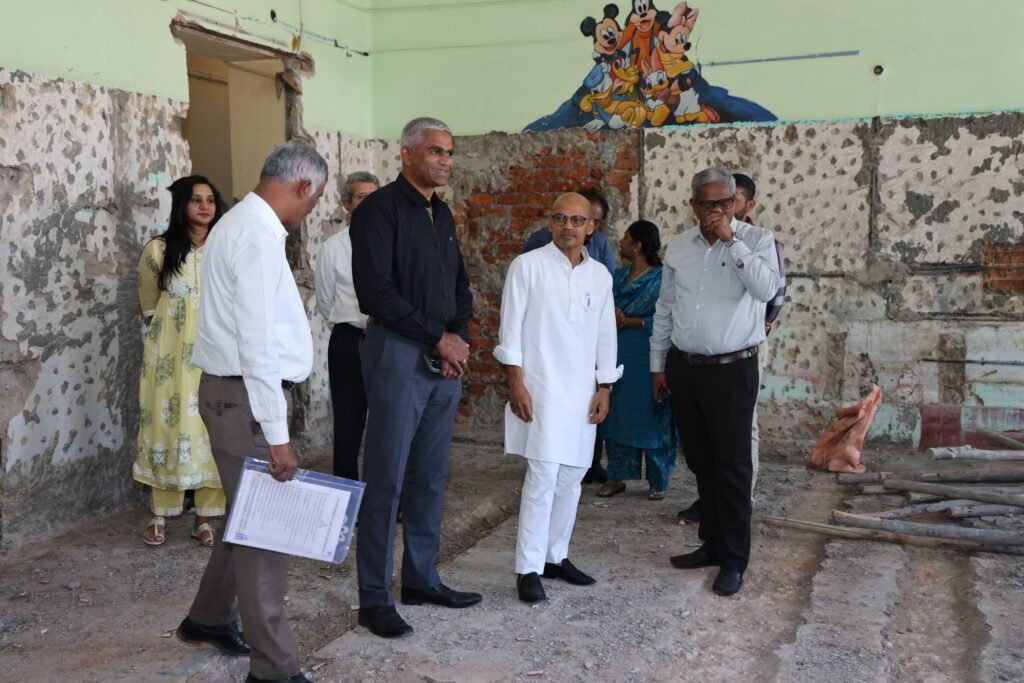
Bengaluru: Bengaluru’s Government Dental College & Research Institute (GDCRI), one of Karnataka’s oldest and most reputed state-run dental institutions, has officially begun a ₹40 crore comprehensive modernization project aimed at blending heritage preservation with advanced dental infrastructure.
The project, approved by the Karnataka state cabinet, seeks to upgrade the 50-year-old institution with state-of-the-art clinical rooms, modern interiors, and cutting-edge dental equipment while carefully retaining the iconic stone architecture of the front façade.
As part of the redevelopment, the existing badminton court will be transformed into a three-storey clinical complex housing multiple specialty clinics. The new structure will also feature a rooftop badminton court integrated with a health club, ensuring a balance between academic, clinical, and recreational spaces. Select outdated internal structures will be replaced with contemporary facilities designed to enhance patient care standards and improve dental education delivery.
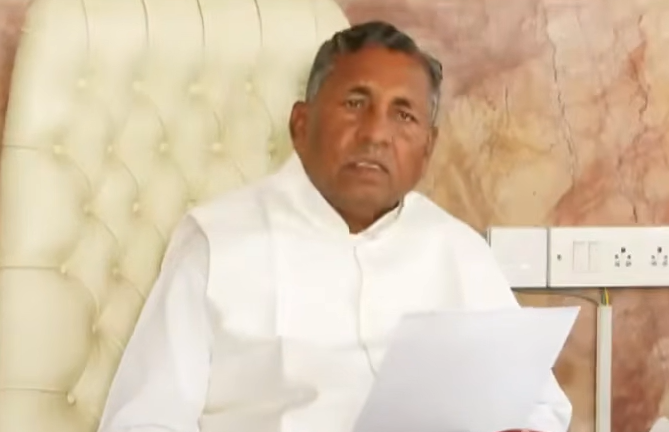
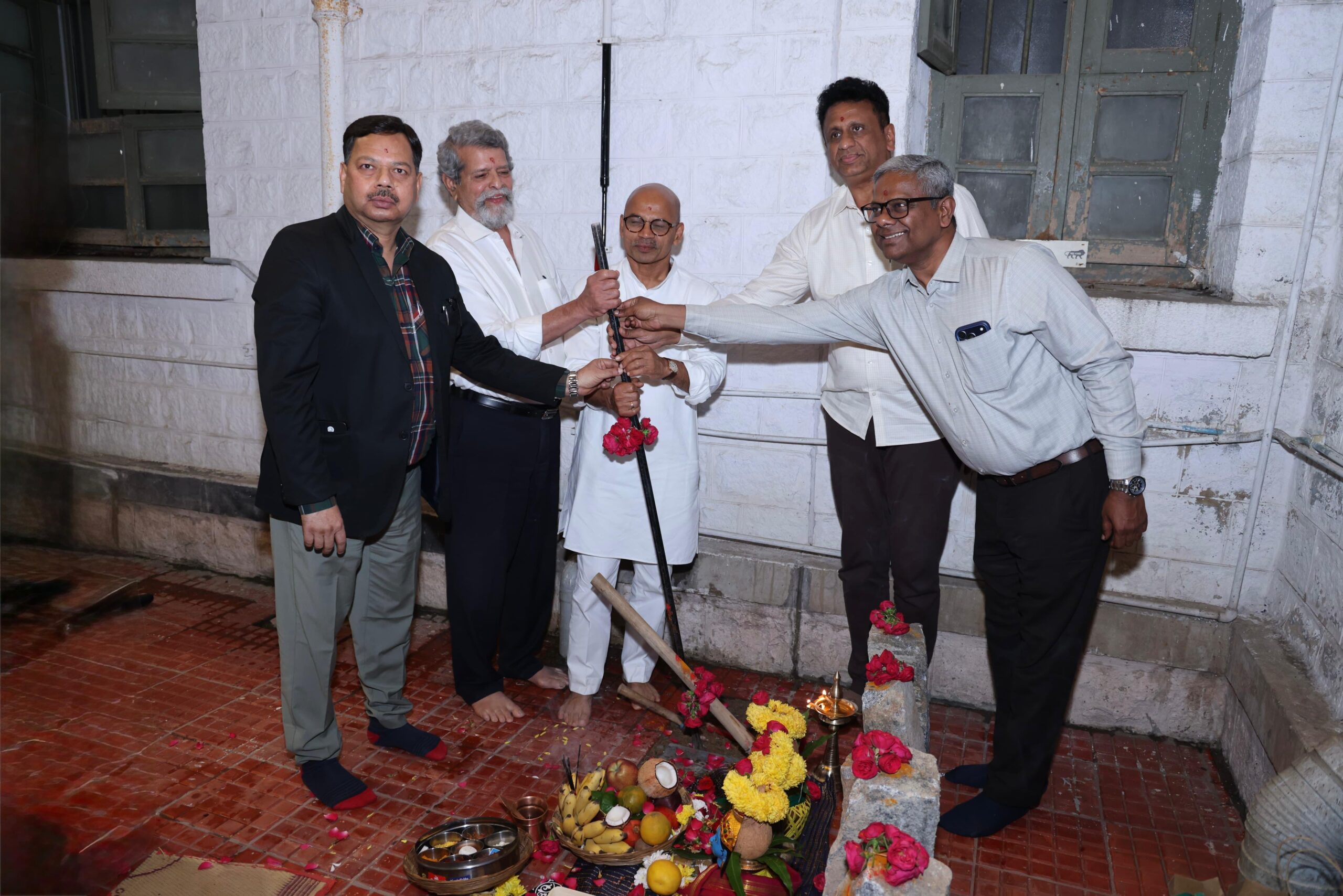
Speaking at the foundation stone ceremony, Medical Education & Skill Development Minister Dr. Sharanaprakash R. Patil said the initiative reflects the government’s vision to modernize Karnataka’s medical institutions while preserving their legacy. He emphasized that the upgraded infrastructure will ensure world-class dental services for citizens across the state.
Higher Education Minister Dr. M.C. Sudhakar noted that investments in advanced healthcare education infrastructure will strengthen Bengaluru’s standing as a hub for medical excellence and skill development.
The foundation stone was laid in the presence of Additional Chief Secretary Mohammed Mohsin and GDCRI Director Dr. Girish B. Giraddi, marking the beginning of a major transformation for one of Karnataka’s premier dental institutions.
The project is expected to significantly enhance both patient services and academic training standards, positioning GDCRI among leading modern dental institutions in the country while preserving its historic identity.
ಇದನ್ನೂ ಓದಿ: ಬೆಂಗಳೂರು ದಂತ ಚಿಕಿತ್ಸಾ ಕೇಂದ್ರಕ್ಕೆ ಭರ್ಜರಿ ಅಪ್ಗ್ರೇಡ್; ಆಧುನಿಕ ಸೌಲಭ್ಯಗಳ ಸೇರ್ಪಡೆ – ಜಿಡಿಸಿಆರ್ಐಗೆ ₹40 ಕೋಟಿ ಹೂಡಿಕೆ
About the Author