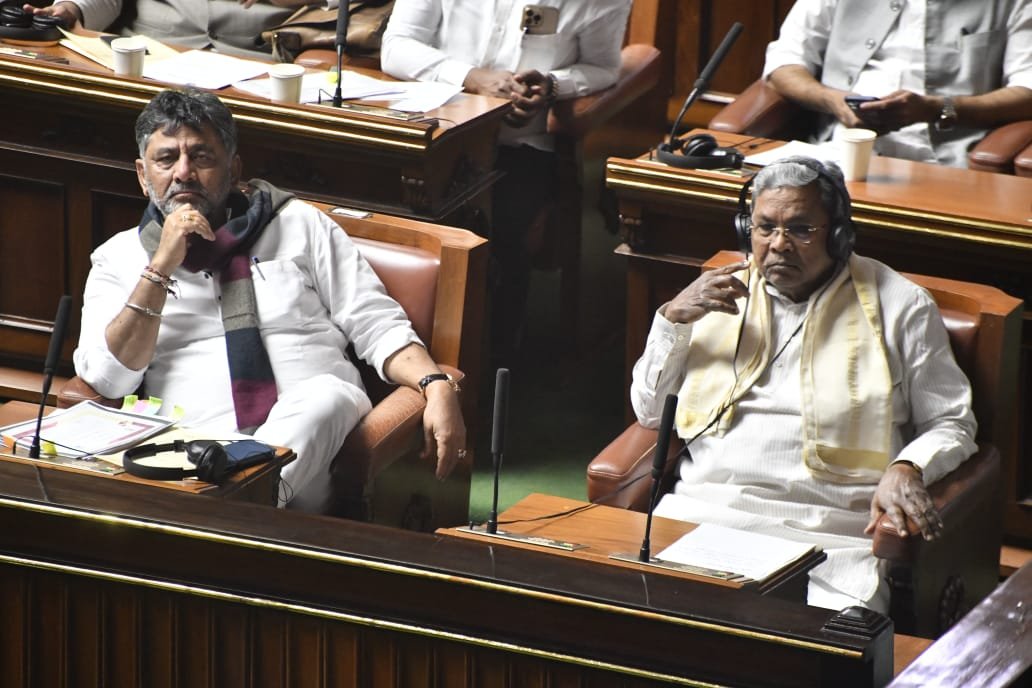
Bengaluru: The Karnataka Legislative Assembly on Tuesday adopted a resolution moved by Chief Minister Siddaramaiah opposing the VB–Grama G Act, even as opposition parties staged a walkout in protest.
As opposition members exited the House while demanding the resignation of the Excise Minister over alleged corruption, the Chief Minister urged the Assembly to proceed with the resolution. Speaker U.T. Khader subsequently put the motion to vote and declared it adopted by a clear majority.
Following the passage of the resolution, the Speaker announced that the Assembly was adjourned sine die.
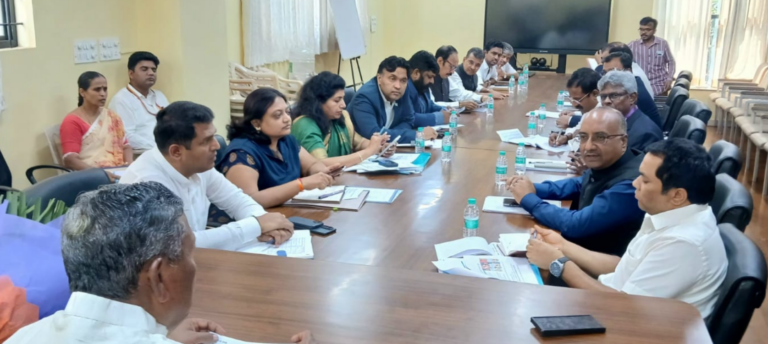
The House witnessed repeated disruptions throughout the day, with opposition legislators entering the well of the House and stalling proceedings. According to the Speaker, 17 legislators participated in the debate for a cumulative duration of 6 hours and 51 minutes since Monday.
Speaking ahead of the vote, Deputy Chief Minister D. K. Shivakumar strongly defended the MGNREGA framework, stating that the scheme had enabled citizens to access employment with dignity. He warned that the proposed VB–Grama G framework would force rural workers to depend on contractors, thereby undermining their self-respect and employment rights. He asserted that the Centre was effectively curtailing the constitutional right to employment of rural citizens and said the state government would continue its resistance both inside and outside the legislature.
During the debate, Congress MLA M. Roopakala highlighted that MGNREGA had played a critical role in empowering rural women and revitalising drought-affected villages through the development of tanks, canals, and water bodies. She cautioned that rural women could face severe job insecurity under the new framework.
Senior legislator B.R. Patil criticised the proposed law as a betrayal of Mahatma Gandhi’s vision of village self-governance, alleging that it strips Panchayats of their decision-making powers and weakens the federal structure.
Backing the resolution, A.S. Ponnanna argued that any centrally designed scheme imposing financial liabilities on states without consultation violates constitutional principles and Supreme Court precedents, terming the VB–Grama G framework unconstitutional.
Minister Priyank Kharge said MGNREGA had ensured asset creation in villages while guaranteeing employment to the most marginalised sections of society. He noted that international labour organisations had praised the scheme and recalled that Prime Minister Narendra Modi and Finance Minister Nirmala Sitharaman had themselves highlighted MGNREGA’s role in empowering rural women and disadvantaged communities during international addresses.
Questioning the rationale behind revising such a law, Kharge alleged that the Centre had already renamed over 50 schemes originally launched by previous Congress governments and warned that altering MGNREGA would deal a blow to democracy, decentralisation, and constitutional values.
ಇದನ್ನೂ ಓದಿ: ವಿಬಿ-ಗ್ರಾಮ್ಜಿ ಕಾಯಿದೆ ವಿರೋಧ: ಮುಖ್ಯಮಂತ್ರಿ ಸಿದ್ದರಾಮಯ್ಯ ಸುಧಾರಿತ ನಿರ್ಣಯವನ್ನು ಕಲಂಕರಿಸಿ ವಿಧಾನಸಭೆ ಅಂಗೀಕರಿಸಿದೆ
About the Author