Bengaluru: Even as the Karnataka High Court has cleared the way for bike taxi services, strong opposition has emerged from auto, cab and transport driver unions, who have warned the state government against framing any regulations permitting bike taxis.
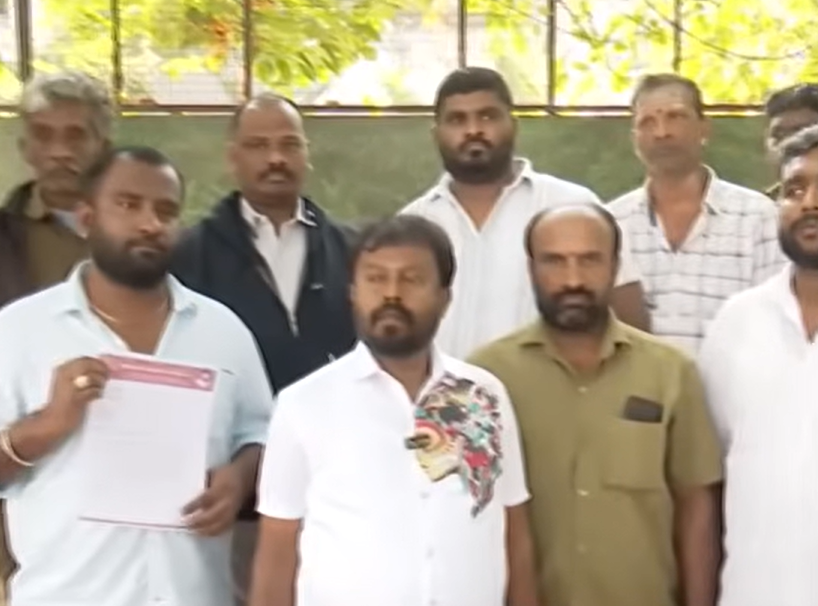
Representatives of multiple driver associations on Tuesday met Transport Minister Ramalinga Reddy and submitted a memorandum demanding that the government either challenge the High Court order in the Supreme Court or issue an ordinance to continue the ban on bike taxis.
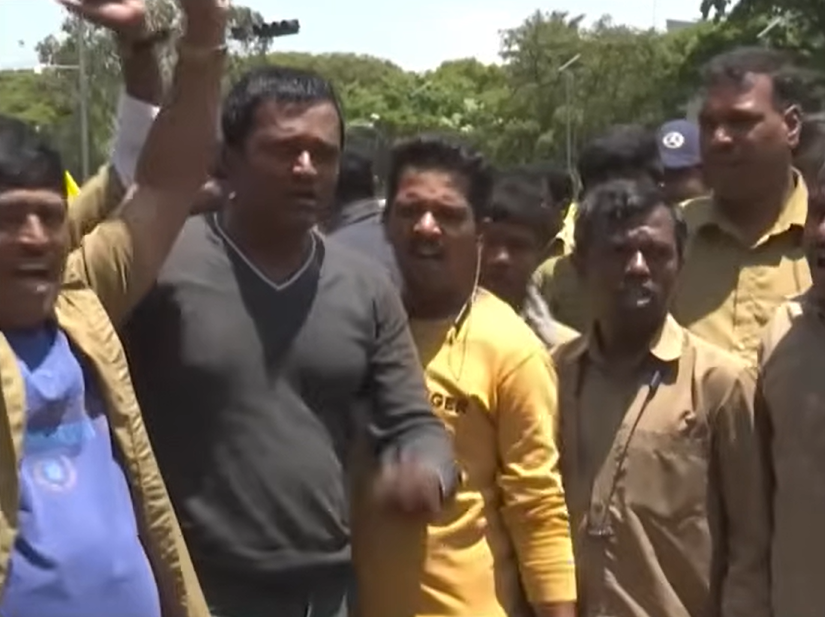
Leaders of the unions warned that any move to formally legalise bike taxi operations would trigger large-scale protests, beginning with a Bengaluru transport shutdown by the end of February, followed by a statewide bandh if their demands are ignored.
Addressing the media after the meeting, union leaders said the High Court verdict had come as a “surprise” despite their long legal and political opposition to bike taxis. They claimed that bike taxis would directly affect the livelihoods of auto and cab drivers, and argued that the policy would lead to regulatory imbalance in the transport sector.
According to the unions, the Transport Minister assured them that no immediate policy decision would be taken, and that the government would consult legal experts, including the Advocate General, before deciding the next course of action. Minister Ramalinga Reddy reportedly told the delegations that he would convey the drivers’ concerns to the government and announce a decision shortly.
However, union leaders made it clear that their agitation plans are already in motion. They said a joint meeting of all driver organisations across Karnataka would be held in early February, following which a date would be fixed for a Bengaluru bandh. If the government proceeds with bike taxi regulations despite protests, they warned, the agitation would be escalated to a statewide shutdown of transport services.
The standoff comes at a time when the High Court’s order has reopened the debate on bike taxis in Karnataka, placing the government under pressure to balance legal directions, commuter demand, and driver livelihoods.
ಇದನ್ನೂ ಓದಿ: ಬೈಕ್ ಟ್ಯಾಕ್ಸಿಗೆ ಹೈಕೋರ್ಟ್ ಗ್ರೀನ್ ಸಿಗ್ನಲ್: ಚಾಲಕ ಸಂಘಟನೆಗಳಿಂದ ತೀವ್ರ ವಿರೋಧ, ಬೆಂಗಳೂರು ಬಂದ್ ಎಚ್ಚರಿಕೆ
About the Author