
Real-time genomic surveillance is crucial to prepare for future waves of the coronavirus
By Dr Vishal Rao
BENGALURU:
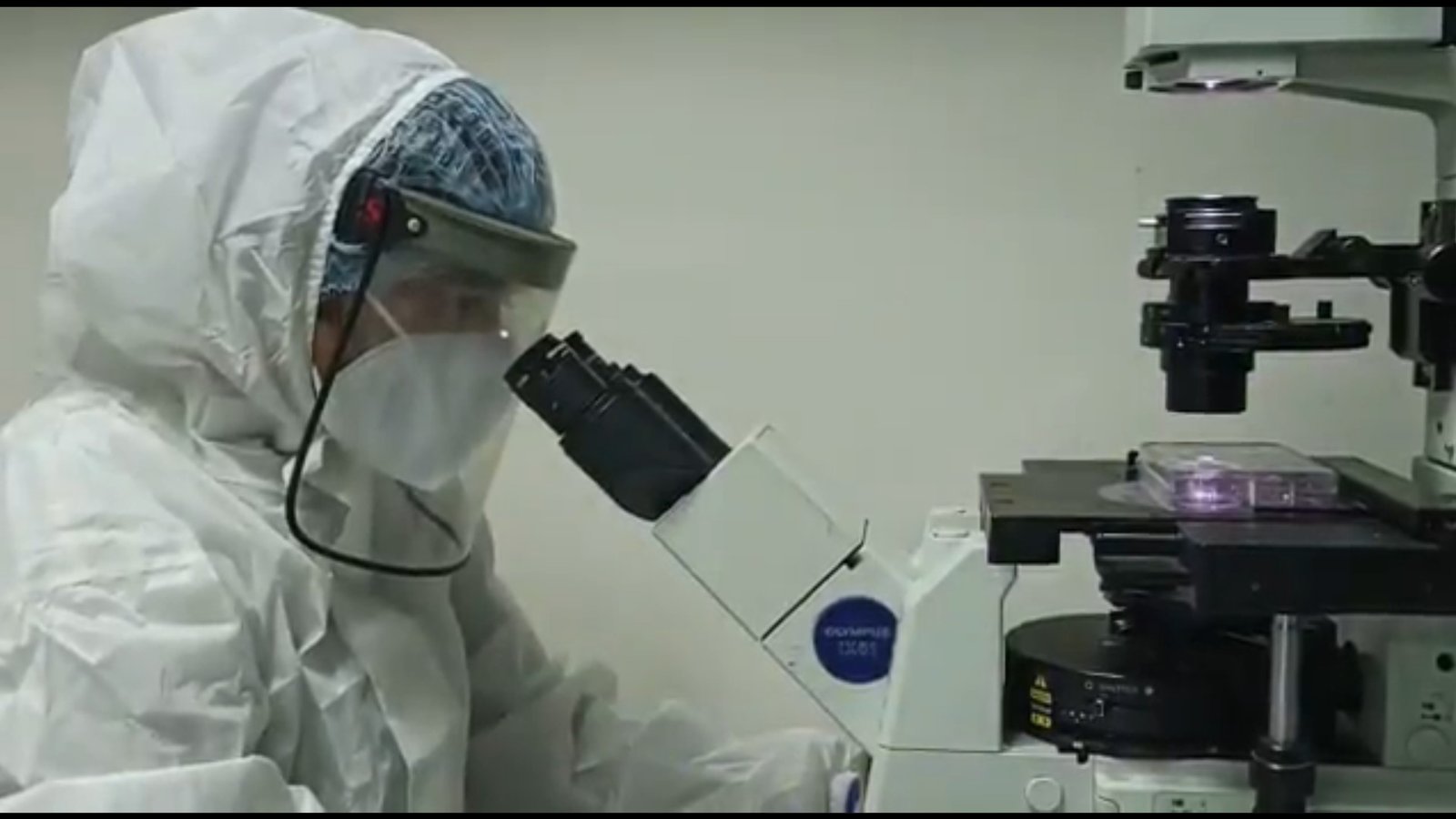
The National Centre for Disease Control (NCDC), India, has confirmed that over 24,000 mutations in SARS-CoV-2 have been recorded in India and over 6,000 variants submitted to global science initiative GISAID. Given the fact that the report to GISAID on Indian mutant B.1.617 dates back to October 16, 2020, genomic surveillance can be a potential tool to combat the coming waves and forewarn us.
Currently, the Indian SARS-CoV-2 Genome Sequencing Consortia (INSACOG), India has reported state-wise numbers for 3 VOCs (B.1.1.7, B.1.351 and P1) and one VUI (B.1.617). However, the B.1.617 is clearly a VOC, and is contributing significantly to the second wave that we are currently witnessing. There are more than 8,000 variants yet to be categorised.
‘Lock and load’ strategy
Going forward, we need to ensure that systems for real-time genomic surveillance and preparedness for further waves need to be strengthened, since it is unlikely that we will achieve herd immunity with such an unpredictable progress of the pandemic.
This cycle of “new variants causing new waves which may need a new herd (immunity)” is likely to continue in perpetuity, unless we break it with a strategy to completely lock down and vaccinate a critical proportion of the population – a ‘lock and load’ strategy.
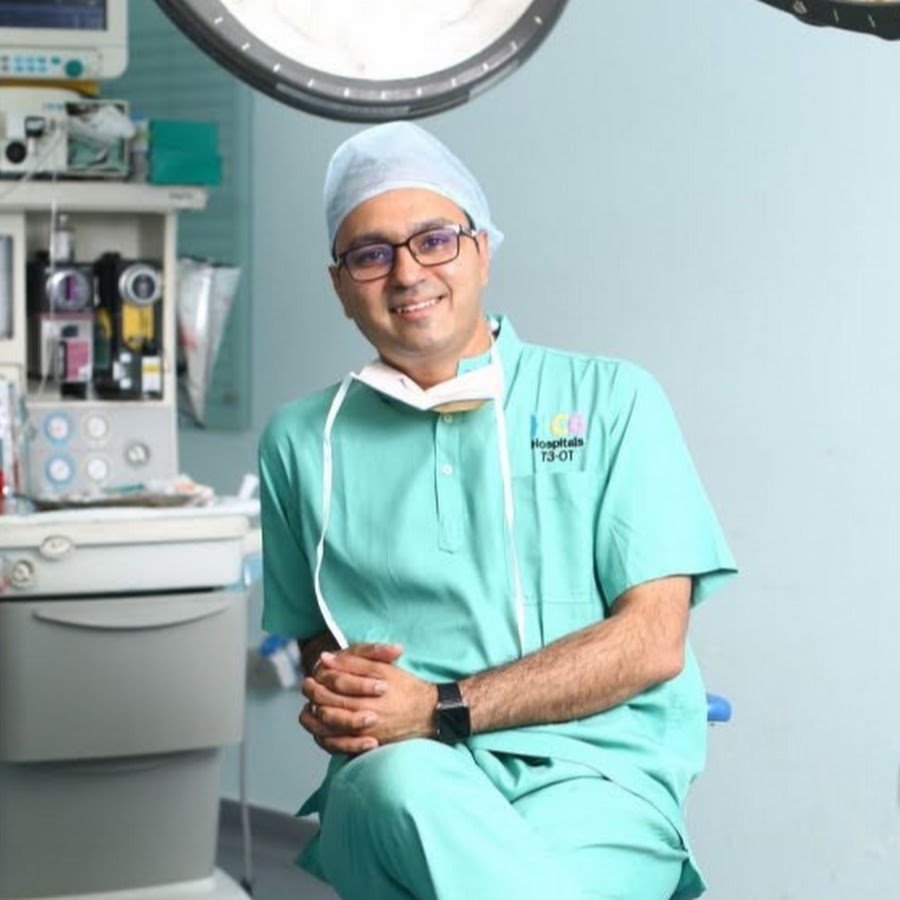
(Dr Vishal Rao is Associate Dean, Academics, HCG)
About the Author