
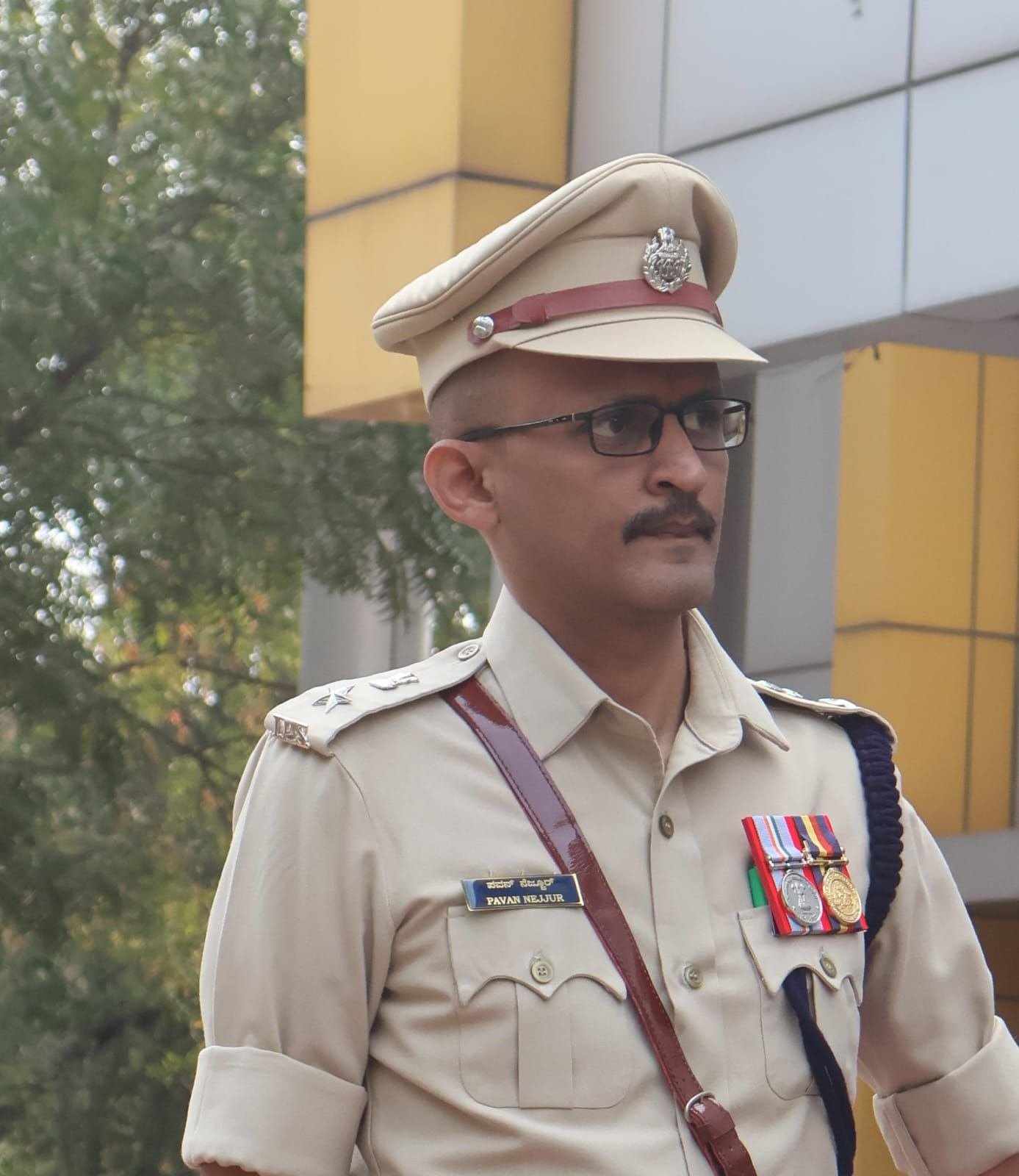
Bengaluru / Ballari: In a shocking sequence of events, the Karnataka Government has suspended Ballari Superintendent of Police Pavan Neijur merely a day after he assumed charge, following a violent confrontation that resulted in the death of a Congress worker. The incident, which involved multiple gunshots and political clashes, has raised serious questions about security lapses and the conduct of law enforcement.
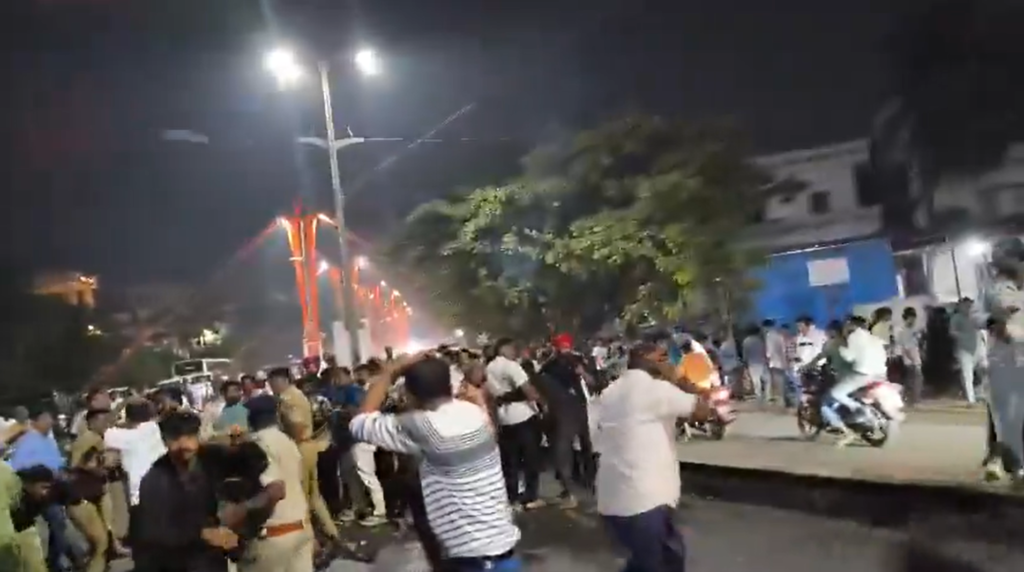
Neijur took charge as Ballari SP on the afternoon of January 1, 2026, after being transferred from his previous role as Lokayukta SP in Bengaluru. The transfer order had been issued late on December 31, 2025. By the evening of January 1, around 6:30 PM, violence erupted near the residence of former minister and BJP MLA Janardhan Reddy over the installation of a Valmiki Maharshi statue banner. In the clash that followed, a Congress worker named Rajasekhar was fatally shot.
Read Here: Ballari Violence Outside Janardhana Reddy Home: Banner Row, Stone-Pelting, Lathi Charge, Report Says One Congress Worker Dead — Who Fired Shots, What’s Next?
The violence involved private gunmen, and according to ADGP (Law & Order) Hithendra, who visited the site, five private firearms were seized and sent to the Forensic Science Laboratory (FSL) to determine the source of the bullets. One bullet was found in the body of the deceased Congress worker, while Janardhan Reddy himself displayed another bullet that he claimed had been fired with the intent to kill him.
Also Read: Five Private Firearms Seized in Ballari; ADGP Hithendra Says Incident Under Serious Investigation
Janardhan Reddy alleged that the bullet was aimed at him, while local BJP MLA Nara Bharath Reddy also issued statements criticizing the handling of the situation. Meanwhile, the Congress has condemned the violence and questioned how private armed individuals were present at the scene.
Chief Minister Siddaramaiah reviewed the incident and, based on reports from the DIGP Ballari Range and the DGP & IGP, concluded that the SP’s failure to swiftly control the situation and coordinate with senior officials warranted immediate suspension. The suspension was issued under Rule 3(1)(a) of the All India Services (Discipline and Appeal) Rules, 1969.
Legally, the government has not yet disclosed how many bullets were ultimately fired. The FSL examination is expected to clarify the origin of the bullets and whether more shots were fired than currently acknowledged. Until then, the administration faces pressing questions about how armed individuals were allowed near a politically sensitive event and how law enforcement failed to prevent a fatal outcome.
Was the Ballari SP at Home or at the Spot—And If Present, Why Was He Confined to His Car as Violence Escalated?
Sources said the unrest broke out around 6.30 pm near former minister Janardhan Reddy’s residence, triggered by a dispute over the installation of a Valmiki Maharshi statue banner. The situation soon spiralled into violence, resulting in the death of Congress worker Rajasekhar.
While the SP’s official residence is located close to the incident site, questions are being raised over his actual role on the ground during the critical period. Sources allege that although SP Pavan Neijur reached the spot, he remained inside his vehicle and failed to issue clear operational directions to his officers as the situation deteriorated. Senior police officers and the Deputy Commissioner reportedly attempted to seek clarity and instructions, but were left dissatisfied with the response.
Chief Minister Siddaramaiah, after independently gathering inputs through official and informal channels, reportedly concluded that the seriousness of the incident—particularly the loss of life—could not be explained away as a consequence of a recent posting. Acting on this assessment, he directed the issuance of a suspension order against the SP under Rule 3(1)(a) of the All India Services (Discipline and Appeal) Rules, 1969, citing failure to effectively manage the law-and-order situation and keep senior authorities adequately informed.
The decision to suspend the officer within barely a day of his assuming charge is being viewed as a strong message from the government that hesitation, indecision, or command failure during politically sensitive and violent incidents will invite immediate accountability, irrespective of tenure or circumstance.
ಇದನ್ನೂ ಓದಿ: ಅಧಿಕಾರ ಸ್ವೀಕರಿಸಿದ ಒಂದೇ ದಿನದಲ್ಲಿ ಬಳ್ಳಾರಿ ಎಸ್ಪಿ ಪವನ್ ನೆಜ್ಜೂರ್ ಅಮಾನತು: ವಾಲ್ಮೀಕಿ ಪ್ರತಿಮೆ ಬ್ಯಾನರ್ ಗಲಭೆಯಲ್ಲಿ ಕಾಂಗ್ರೆಸ್ ಕಾರ್ಯಕರ್ತನ ಸಾವು
About the Author